The Case for Data Ownership: A Moral Imperative
An argument that people require meaningful knowledge, control, and contestability over the data systems that represent and profit from them.
Selected public writing
These essays ask who controls the systems we use, who creates their value, and what people need to challenge them.
An argument that people require meaningful knowledge, control, and contestability over the data systems that represent and profit from them.
A participant's critique of uncompensated artistic and evaluative labor in AI development and the moral difference between participation and genuine partnership.
A Kantian argument that nondisclosure can misrepresent authorship, labor, skill, and provenance, interfering with audience autonomy.
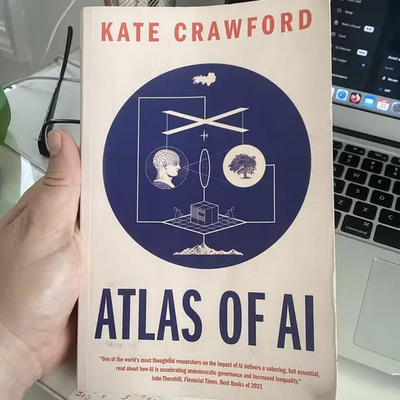
A critical engagement with the material, labor, environmental, and classificatory systems beneath artificial intelligence.

A statement of Experimental Surrealism as a framework for bringing contemporary generative systems into surrealist inquiry.

An examination of how AI systems collect, classify, predict, and monetize human activity while restricting knowledge and control.

A constitutional sketch organized around transparency, equality, privacy, access, education, human oversight, accountability, safety, and continuous review.

A case study of AI-generated fan art, digital appropriation, authorship, and proportional institutional response.

An open letter connecting AI-assisted creativity, veterans, mental health, public investment, and the priority of reducing suffering.

A speculative proposal for using AI-assisted infrastructure to support universal food provision rather than private accumulation.

An exploration of how AI might address blockchain scalability, security, efficiency, and environmental cost.

A retrospective on an early public presentation of generative AI art in San Diego and the development of a philosophy-centered visual practice.